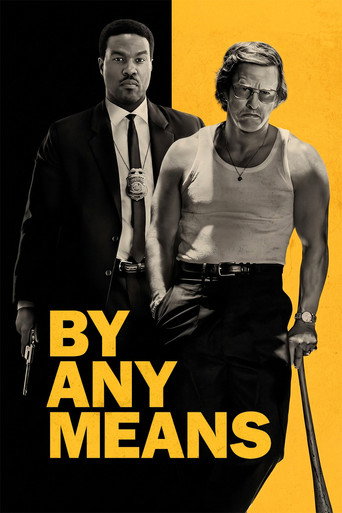
Set in 1960s Mississippi, the story opens in 1964 when three civil rights activists vanish during the summer. Federal bureau supervisor Roy K. Moore demands answers and sends Brooklyn mob enforcer Greg Scarpa south to assist.
Scarpa immediately uses brutal physical coercion on a local Klansman, forcing the suspect to reveal where the victims are buried under thick red soil. By 1966 in Hattiesburg, civil activist Vernon Dahmer assists local Black citizens with voter registration. Midnight Klansmen attack his home with gasoline cans and gunfire.
Dahmer helps his family escape through a rear window, but he tragically perishes from burns and smoke inhalation the following morning. As his grieving wife Hattie mourns alongside neighbor Rebecca Brewer, young Black FBI agent Wayne Strider arrives to lead the investigation. Strider relocates south with his supportive wife Allison.
Moore and Agent Everett Rhodes assign Strider to the case, but local residents refuse to cooperate due to fear of corrupt deputies. To break the deadlock, Moore pairs Strider with the ruthless Scarpa.
Greg Scarpa uses illegal physical coercion to extract the confessions needed to arrest Sam Bowers and his Klan accomplices for the murder of Vernon Dahmer.
Wayne Strider achieves official justice for the community while becoming deeply disillusioned by the federal government's reliance on criminal methods.
Hattie Dahmer refuses to be intimidated and pledges to continue daily voter registration efforts to honor her late husband's legacy.
One reading of the conclusion suggests that achieving systemic change sometimes requires compromising ethical boundaries, though the film leaves Strider's ultimate future open.
The final act centers on the deeply conflicted partnership between Wayne Strider and Greg Scarpa as they hunt down the perpetrators of Vernon Dahmer's murder. Strider firmly believes that strict legal bounds and proper courtrooms are essential for true justice. In stark contrast, Scarpa mocks legal rules and relies entirely on physical violence and intimidation to secure compliance, even hypocritically quoting Malcolm X to justify his brutal actions.
Together, they travel through small rural towns where Scarpa drags suspects off the streets into blinding interrogation spots, threatening them at gunpoint until they surrender crucial names. Strider watches in visible dismay as his partner repeatedly shatters federal laws without remorse. Despite Strider's moral objections, Scarpa's ruthless tactics successfully shatter the wall of silence, causing terrified local witnesses to leak vital details about the night of the bombing.
The collected evidence points directly toward Sam Bowers and his violent local gang. Taking matters into his own hands, Scarpa corners Bowers alone and forces a confession through relentless physical force. Armed with this coerced information, federal agents launch coordinated midnight raids across county lines to capture the hidden conspirators.
Facing overwhelming evidence, the local sheriff deputies can no longer shield the Klan killers from prosecution. Sam Bowers and multiple Klan members are officially arrested for the murder of Vernon Dahmer. In the aftermath, Strider achieves a legal victory but feels profoundly unsettled by the federal hypocrisy he witnessed, leaving him to ponder his future within the agency.
He recognizes that systemic prejudice permeates the very institutions tasked with upholding the law. Meanwhile, Scarpa collects his cash payout from the federal handlers before departing Mississippi to return to New York. The local community gathers to honor the memory of Vernon Dahmer, and Hattie publicly vows to continue her husband's voter registration work for the local citizens every single day. In the final moments, Strider comes to terms with the reality that law enforcement often demands difficult compromises, and that genuine justice sometimes only arrives when individuals push far beyond ordinary legal limits.
What does the ending of By Any Means mean?
One reading of the ending of By Any Means is that institutional justice is deeply flawed and often dependent on moral corruption to function. The film explores the grim compromise between idealism and pragmatism through the dynamic of Wayne Strider and Greg Scarpa. Strider represents the clean, lawful approach to civil rights protection, while Scarpa embodies the brutal, unfiltered force of the criminal underworld utilized by the state when convenient.
The resolution suggests that systemic racism and violence cannot always be dismantled through peaceful legal channels alone, forcing characters to confront uncomfortable truths about how power operates. Hattie Dahmer's vow to continue voter registration offers a thematic counterpoint of resilience, showing that grassroots persistence matters just as much as federal intervention. Ultimately, the narrative resolves the immediate crime while leaving the broader moral questions open, refusing to offer a clean and easy celebration of the legal system.
Average audience ratings from the source database. Click a title to read its ending explained.
By Any Means ending FAQ
Why is Greg Scarpa brought into the investigation?
Roy K. Moore brings in the ruthless Brooklyn mob enforcer because local civil rights activists and residents refuse to cooperate with federal agents due to deep fear of local deputies.
What happens to Vernon Dahmer?
Klansmen attack his home with burning gasoline cans at midnight. Although he successfully helps his family escape through a rear window, he dies the next morning from severe burns and smoke inhalation.
How does Wayne Strider react to Greg Scarpa's methods?
Strider watches in constant dismay as Scarpa breaks federal laws, uses physical coercion, and threatens suspects at gunpoint, leaving the young agent unsettled by federal hypocrisy.
Who is arrested for the murder of Vernon Dahmer?
Sam Bowers and multiple members of his local Klan gang are arrested after Scarpa forces a confession and federal agents raid their hidden hideouts across county lines.
What is Hattie Dahmer's response after the tragedy?
Hattie mourns alongside her neighbor Rebecca Brewer and courageously vows to continue voter registration efforts for local citizens every single day to honor her husband.
When Gleb, a successful company director, finds himself under siege from mounting corporate pressures, an increasingly unstable world, and the discovery of his wife's affair, the c