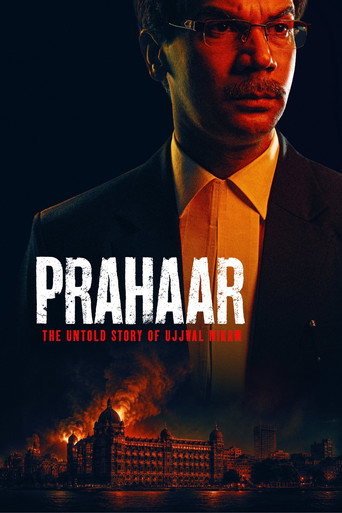
Prahaar: The Untold Story of Ujjwal Nikam plot recap, spoiler-light
In September 2006, public prosecutor Ujjwal Nikam secures convictions in the 1993 Mumbai bombings case, noting the heavy personal toll such battles take on his family. Years later, on November 26, 2008, while attending his daughter's wedding in Goa, Nikam learns that Mumbai is under a massive terrorist attack. Following the siege, Minister of Home Affairs P.
Chidambaram appoints Nikam to prosecute Ajmal Kasab, the sole surviving gunman. Opting for a single consolidated chargesheet to expose the broader conspiracy and Pakistani state involvement, Nikam enters a rigorous legal battle. Throughout the trial, defense lawyers attempt to discredit key eyewitnesses and police testimonies, while Kasab repeatedly shifts his stance, claiming he is a minor or that his partner was the sole shooter.
Meanwhile, Nikam faces severe personal strain when his wife Jyoti is diagnosed with a tumor, and he temporarily enlists his newly graduated son Aniket to assist him. Despite legal hurdles, intimidation, and the tragic assassination of Pakistani attorney Chaudhary Zulfiqar Ali for cooperating with the truth, Nikam presses forward to secure justice for the victims of the horrific assault.
What happens at the end of Prahaar: The Untold Story of Ujjwal Nikam?
Ujjwal Nikam successfully proves Ajmal Kasab's guilt, leading to a death sentence for waging war against India.
Kasab ultimately breaks down and confesses to the terrorist conspiracy hatched by Lashkar-e-Taiba leaders after initially lying and showing no remorse.
The story highlights the heavy personal and professional costs borne by prosecutors handling high-profile terror trials.
An epilogue details the prosecution timeline and pays tribute to the victims of the 26/11 Mumbai attacks.
As the legal proceedings near their conclusion in Prahaar: The Untold Story of Ujjwal Nikam, a significant psychological turning point occurs when Ajmal Kasab is taken to the morgue and forced to look at the bodies of his slain co-conspirators. Seeing their decomposing remains shatters his composure. Following this, his defense lawyer Abbas Kazmi exits the case due to irreconcilable differences, and another lawyer named Pawar takes over.
During the subsequent hearing, a broken Kasab finally confesses to the entire conspiracy orchestrated by Lashkar-e-Taiba leaders and rogue elements within the Pakistan military, detailing the extensive training he received. Outside the courtroom, Nikam observes his son Aniket handling a separate case, leading to a warm reconciliation between father and son after Nikam shares the tragic news that Chaudhary Zulfiqar Ali was murdered in Pakistan for helping uncover the facts. On the final day of the trial, Nikam delivers his closing arguments, firmly asserting that the horrific scale of mass murder and the act of waging war against India exclude Kasab from any consideration of lesser sentences like life imprisonment, demanding instead that he be hanged by the neck until dead.
L. Tahaliyani delivers the verdict, sentencing Kasab to death for terrorism, murder, and waging war against India. Kasab receives the sentence in absolute silence, while courtroom survivors, police officers, and journalists express profound relief.
As Nikam exits the courtroom, he receives a guard of honor and applause from police personnel, including officers who survived the brutal attacks, and shares a poignant embrace with Aniket. A jump forward to November 21, 2012, at Yerawada Central Jail shows Kasab waking up in the early morning hours. Asked for his final wish, he asks for a few tomatoes.
While eating them, he breaks down emotionally, thinking of his mother, before prison guards lead him to the gallows for his execution. The narrative concludes with a final epilogue outlining the official prosecution timeline of the 2008 Mumbai attacks and offering a solemn tribute to all the lives lost during the tragedy.
What does the ending of Prahaar: The Untold Story of Ujjwal Nikam mean?
One reading of the ending of Prahaar: The Untold Story of Ujjwal Nikam is that it explores the complex intersection of systemic justice and individual sacrifice. The film contrasts the rigid mechanics of the courtroom with the deeply human grief experienced by survivors and families of victims. Nikam's victory is not framed as a joyful triumph, but rather as a grim and exhausting necessity required to restore a semblance of order after unprecedented devastation.
The fate of Kasab, moving from defiant denial to isolated tearful breakdown and execution, serves as a commentary on the psychological manipulation of foot soldiers by powerful extremist organizations. Furthermore, the narrative underscores the hidden price paid by those who pursue accountability, noting how international allies like Chaudhary Zulfiqar Ali lose their lives and how personal relationships are strained under the weight of national duty. Ultimately, the resolution suggests that while legal systems can deliver verdicts and capital punishment, the emotional scars left by terrorism remain permanent, making collective remembrance and familial reconciliation the only true paths toward healing.
How Prahaar: The Untold Story of Ujjwal Nikam rates against similar titles
Average audience ratings from the source database. Click a title to read its ending explained.
Prahaar: The Untold Story of Ujjwal Nikam ending FAQ
Who does Ujjwal Nikam represent during the trial?
As clarified by Minister of Home Affairs P. Chidambaram in the film, Ujjwal Nikam represents the entirety of India rather than just the State of Maharashtra, given the national and international implications of the 26/11 attacks.
Why does Ujjwal Nikam insist on a single chargesheet instead of twelve?
Nikam suggests a single chargesheet because, although it makes the prosecution process much longer, it builds a far stronger, cohesive case that clearly exposes the involvement of foreign terror groups and Pakistan's ISI.
Does Ajmal Kasab show remorse during the trial?
For a long time, Kasab shows no remorse, frequently lying, claiming to be a minor, or blaming his deceased partner. It is only after being shown the bodies of his slain comrades and facing overwhelming witness testimony that he finally breaks down and confesses.
What happens to Chaudhary Zulfiqar Ali?
Chaudhary Zulfiqar Ali, the Pakistani attorney who interacted with Nikam and attempted to uncover the truth behind the attacks, is gunned down in Pakistan as punishment for cooperating and attempting to bring justice to light.
What is Ajmal Kasab's final wish before his execution?
On November 21, 2012, inside Yerawada Central Jail, Kasab is asked for his final wish and requests a few tomatoes. He eats them while weeping and thinking about his mother just before being led to the gallows.