In the drama Look Back, outgoing student Fujino enjoys widespread praise for the humorous comics she draws for the class newspaper. Her routine is disrupted when her teacher introduces Kyomoto, a truant recluse who stays home with severe social anxiety. Kyomoto possesses striking artistic talents and deeply idolizes Fujino's work, which initially triggers intense resentment and a fierce competitive drive in Fujino.
Despite this rocky beginning, the story follows how their mutual dedication to creating manga bridges the gap between them. What starts as envy and rivalry gradually shifts into genuine mutual respect and friendship. As the pair spend time together focusing on their art, they forge an inseparable creative partnership. The narrative traces this evolving dynamic as both characters mature, moving past their early struggles and transitioning from their school days into early adulthood, always anchored by their shared love for drawing stories.
What happens at the end of Look Back?
Key takeaways
Fujino and Kyomoto overcome their initial differences through a shared passion for drawing manga.
The narrative explores how competitive feelings can transform into a deep creative partnership.
Their bond deepens as they transition from elementary school years into adulthood together.
As the narrative reaches its final act, the film Look Back highlights the ongoing maturation of Fujino and Kyomoto as they navigate their adult lives together through their shared devotion to creating manga. Having evolved from childhood rivals into close artistic collaborators, the two characters continue to dedicate themselves completely to their craft. Because the source material does not provide specific details regarding a dramatic final scene, a final spoken line, or a definitive closing image, the film leaves the ultimate trajectory and permanent resolution of their artistic journey open-ended.
Viewers watching this drama unfold witness how their foundational bond, which originally began in an elementary school classroom, continues to sustain them over the passing years. One interpretation of this open conclusion is that the true thematic focus rests not on a final destination, but on the enduring power of creative companionship and how two very different individuals found a shared purpose through drawing. Without any source text confirming specific closing events, twists, or tragedies, the story simply emphasizes their lifelong dedication to manga and to one another.
The closing moments of the narrative focus on this profound connection, allowing the audience to interpret the long term future of their partnership based entirely on the deep emotional foundation established throughout their youth and early adult years. This leaves the final chapter of their shared lives open to personal reflection rather than providing a rigid, predetermined resolution. The overarching journey demonstrates how Fujino, the once popular and outgoing student, and Kyomoto, the once reclusive shut-in with severe social anxiety, found mutual understanding through their art. Their transition from elementary school acquaintances into dedicated adult creators forms the core of the final sequences, ensuring that the emotional resonance of their partnership remains the central takeaway for the audience as the story concludes its presentation of their lives.
What does the ending of Look Back mean?
The ending of Look Back explores profound themes of artistic collaboration, personal growth, and the transformation of envy into deep mutual respect. One reading of the story suggests that creative expression serves as a vital bridge for individuals who struggle with social connection, particularly highlighted by Kyomoto overcoming severe reclusiveness through shared work with Fujino. The narrative addresses how initial rivalry can evolve into a supportive partnership when two people direct their passions toward a common goal.
Furthermore, the progression from elementary school days into adulthood emphasizes the enduring nature of formative friendships forged through shared creative endeavors. Rather than focusing on external validation or popularity, the themes center on the quiet, transformative power of mutual inspiration and the comfort found in understanding another person completely through art.
Average audience ratings from the source database. Click a title to read its ending explained.
Look Back ending FAQ
Who are the main characters in Look Back?
The main characters are Fujino, a popular and outgoing student known for her funny class newspaper comics, and Kyomoto, a truant recluse with severe social anxiety who possesses exceptional artistic talent and deeply idolizes Fujino's work.
How do Fujino and Kyomoto first meet and interact?
They initially connect when their teacher asks Fujino to share the class newspaper space with Kyomoto. Fujino initially resents Kyomoto due to her natural artistic talents, but this competitive friction eventually transforms into a close bond.
What role does creating manga play in their relationship?
Creating manga serves as the central foundation for their relationship. Their shared passion for drawing bridges the gap between their different personalities, allowing them to grow close and maintain an inseparable partnership as they transition into adulthood.
Does the story show Fujino and Kyomoto growing up?
Yes, the narrative explicitly follows their evolving bond over a significant period of time, showing how they transition from their early elementary school days into adulthood together while continuously pursuing their mutual love for creating manga stories.
What is the ultimate resolution of their artistic journey?
The available source text leaves the ultimate resolution of their artistic journey open-ended, focusing instead on their lifelong dedication to manga and the deep emotional foundation established through their enduring creative partnership.
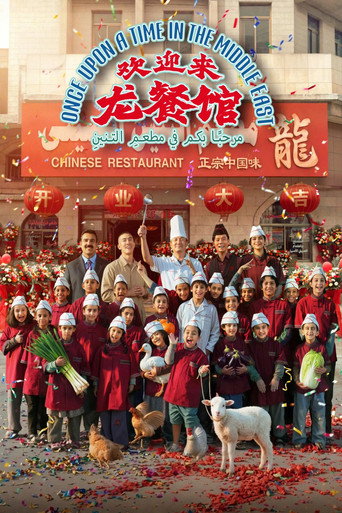
Once Upon a Time in the Middle East ending explained
Seeking a fresh start, chef Xu Fu travels to the Middle East to support his family and repay his debts. Alongside restaurant manager Ma Junsheng, he transforms the struggling Drago